
How we prepare a room before painting
Why preparation decides how long a paint job lasts, and the steps our decorators follow in every room.
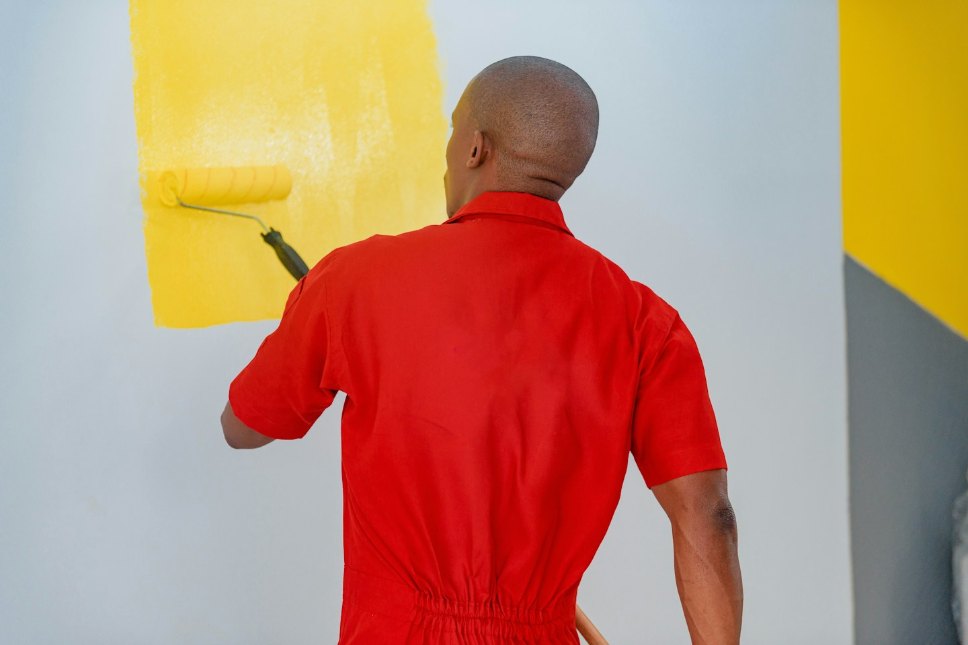
Most paint jobs that fail do so because of what happened before the first coat. Paint will show every crack, stain and greasy patch it covers. This is the order we work in, from a single bedroom to a tall stairwell.
1. Protect the room
Furniture is moved to the centre and covered. Floors, stairs and carpets get dust sheets, and sockets, switches and fixtures are masked or removed.
2. Clean the surfaces
Walls in kitchens, hallways and children's rooms carry grease and handprints. We wash them down with sugar soap and let them dry, so the new paint grips.
3. Fill, sand and caulk
Cracks and holes are filled, left to harden and sanded flush. Gaps between skirting, architrave and walls are sealed with decorator's caulk, which gives the crisp lines people notice.
4. Prime where it is needed
Bare wood, repairs and stains each need the right primer. Water marks, smoke and nicotine stains need a stain-blocking primer or they bleed back through. New plaster needs a thinned mist coat first.
5. Cut in, then roll
Edges are cut in by brush before the walls are rolled. Most rooms need two full coats for an even colour, and strong colour changes can need more.
6. Check in daylight
We walk the room with you before we pack up, so anything that needs touching up is done there and then.
How long preparation takes
In a typical bedroom, preparation is around half of the job. A room in good condition might need two hours of filling and sanding. A room with cracked plaster, flaking paint or old wallpaper can need a full day before any colour goes on. When we quote, we look at the walls, ceilings and woodwork and price the preparation the room actually needs.
Problems we look for first
- Damp patches and mould, which must be dried out and treated before painting
- Flaking or powdery old paint, which has to be scraped back and sealed
- Hairline cracks that return each winter, which need a flexible filler
- Gloss woodwork, which needs sanding so new paint can grip
What you can do before we arrive
Take pictures off the walls, clear windowsills and shelves, and move small items out of the room. We move and cover the large furniture. If you are choosing the colour yourself, test it on the wall in daylight and in the evening before the day.
Common questions
Can you paint straight over the old colour? Only if the surface is clean, sound and dull. Otherwise the new paint peels.
Do you need the room empty? No. We work around furniture and keep one room usable at a time in an occupied home.