
Fence Repairs After Storms: Posts, Panels and Gates
What to do when a storm damages your fence: check who owns it, repair or replace panels and posts, and stop gates sagging.
UK winter storms bring down thousands of garden fences every year. A leaning fence or a panel flapping in the wind is a safety risk and a security gap, so it is worth dealing with quickly. This guide explains what to check, what can be repaired and what needs replacing.

The quick answer
- Check your title deeds or property plan to see who owns the fence
- Make it safe first: keep people clear of unstable sections and arrange safe support or removal
- If the panel is fine but the post is broken, replace or repair the post
- Concrete posts with gravel boards last much longer than timber posts in the ground
- Sagging gates usually need new hinges, longer screws or a diagonal brace
Who owns the fence?
There is no universal rule that you own the fence on a particular side of the garden. Check your title plan or deeds, which sometimes show boundary ownership with T marks. If ownership is unclear, talk to your neighbour before starting work. Landlords and tenants should check the tenancy agreement.
Make it safe first
- Stay clear of loose or hanging panels; arrange safe removal rather than working beneath an unstable fence
- Prop leaning sections with timber struts
- Keep children and pets away from damaged sections
- Take photos for your home insurance before repairing
Common damage and fixes
| Damage | Usual fix |
| Panel blown out, posts sound | Refit or replace the panel with new clips |
| Timber post snapped at ground level | Replace the post, or fit a concrete repair spur |
| Concrete post broken | Replace the post |
| Gravel board rotten | Replace with concrete or treated timber gravel board |
| Several posts leaning | Usually a full run replacement is better value |
Timber or concrete posts?
Timber posts set straight into the ground eventually rot at ground level, which is exactly where storms snap them. Concrete posts with slotted sides and concrete gravel boards cost a little more but last far longer, and panels can be lifted out and replaced easily. Timber posts can look better, so if you choose them, use well-treated posts and consider metal post supports.
Sagging and sticking gates
- Tighten or replace the hinge screws with longer ones
- Check the gate post is not leaning
- Fit a diagonal brace running from the bottom hinge side up to the top latch side
- Adjust or replace the latch so it lines up
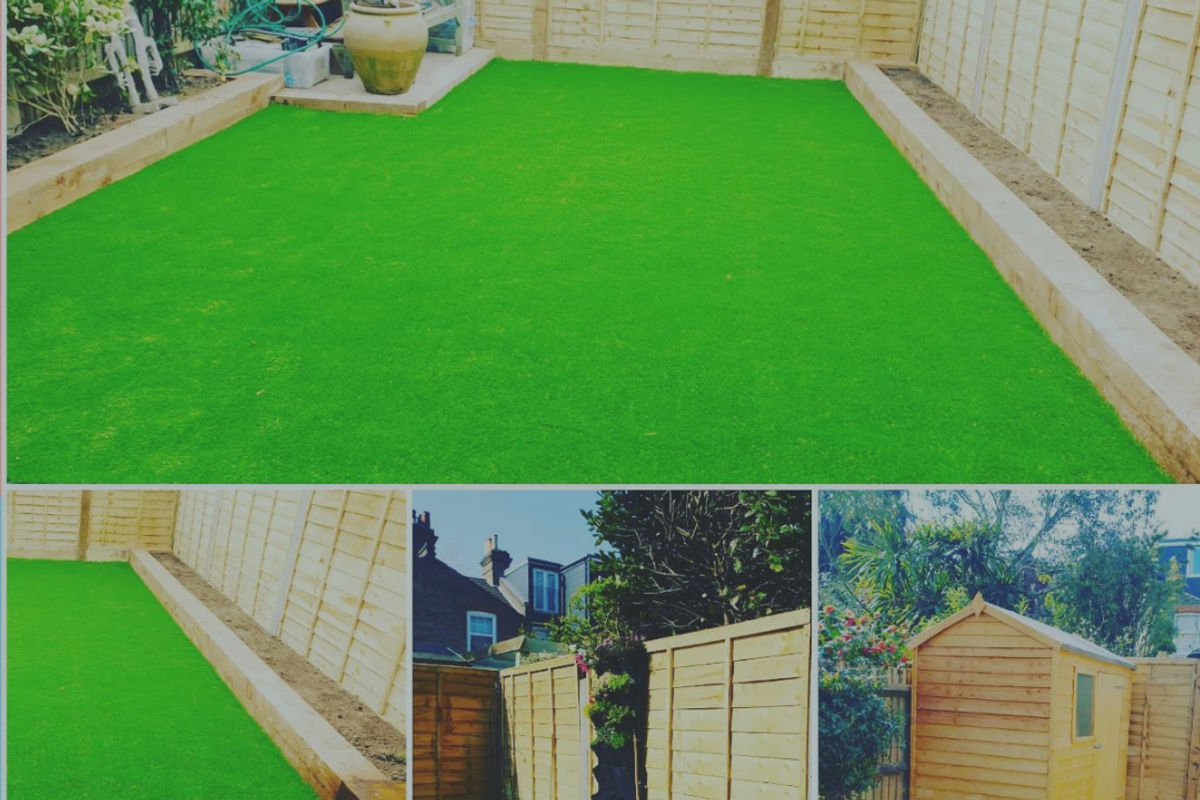
Preventing future damage
- Treat timber fences every couple of years
- Keep soil and plants away from the bottom of panels
- Use gravel boards so panels do not sit on soil
- Cut back climbing plants that add weight and catch the wind
Frequently asked questions
Do I need permission for a new fence?
In England, permitted development often covers fences and gates up to 2 metres high, or up to 1 metre next to a highway used by vehicles or the footpath of such a highway. Listed-building, planning-condition and Article 4 restrictions can change this. Check the Planning Portal and your local planning authority.
Will my insurance cover a fence blown down in a storm?
Some policies do and some exclude fences. Check your policy and take photos before repairing.
Can you repair just one panel?
Yes, if the posts are sound. If posts are rotten, it is better to fix them at the same time.
Official guidance and further reading
Planning Portal: permission for fences, gates and walls
Related guides
Send photos, rough lengths and your postcode, or call 07444 262522.